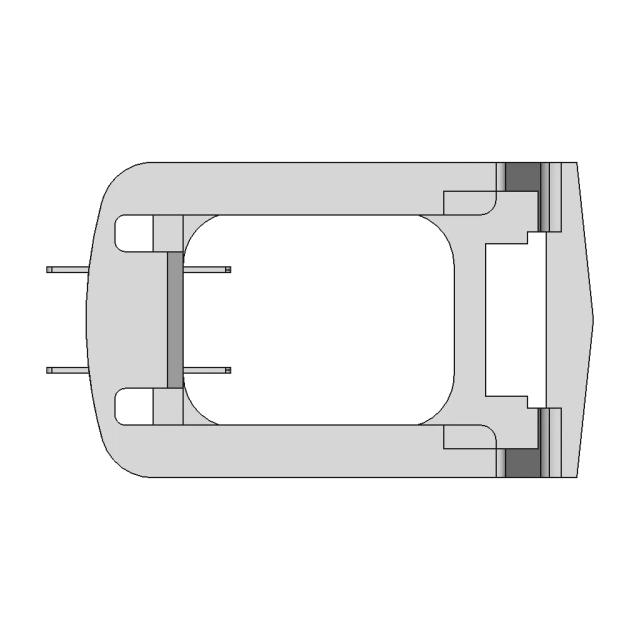
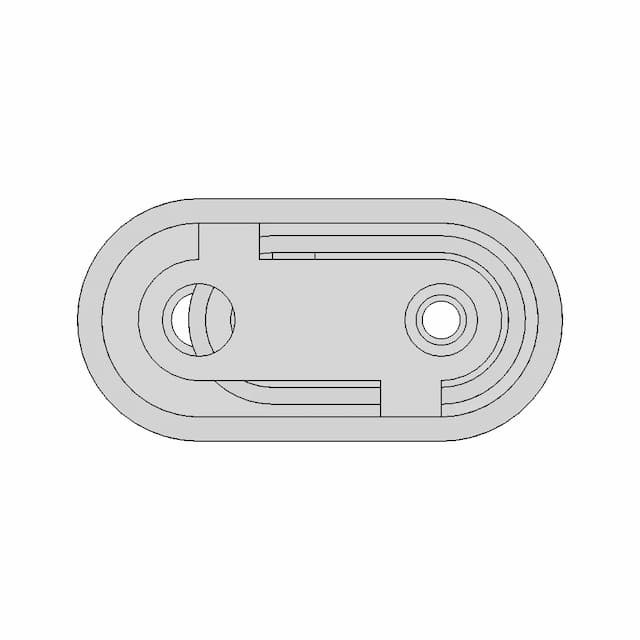
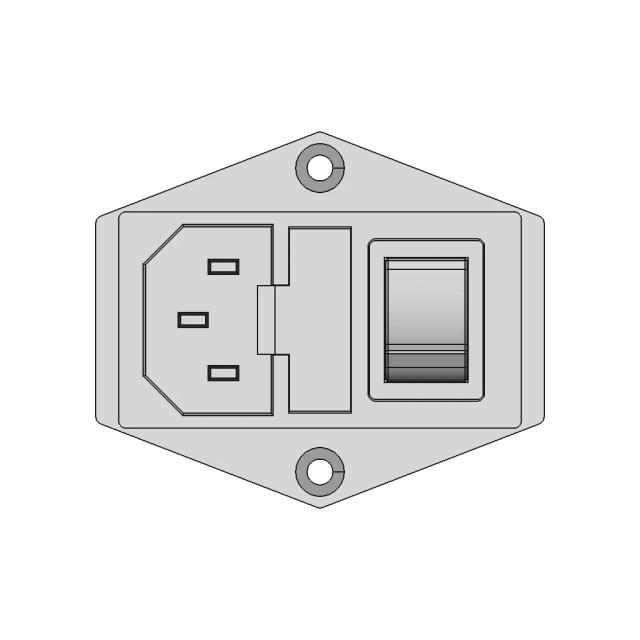
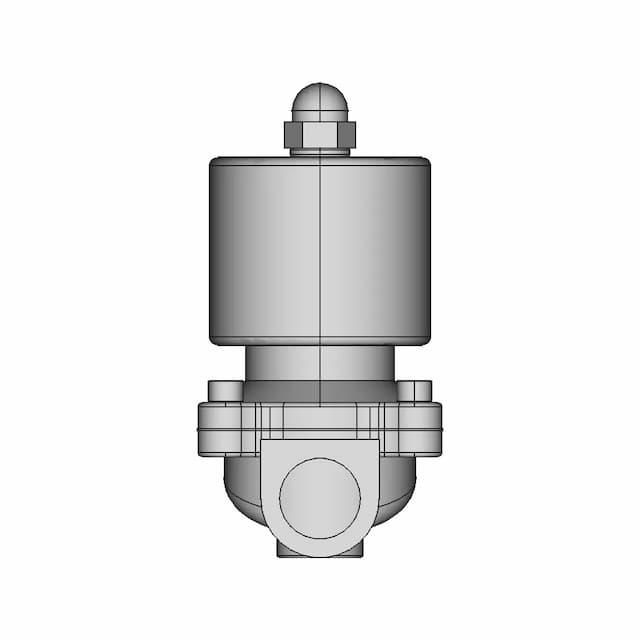
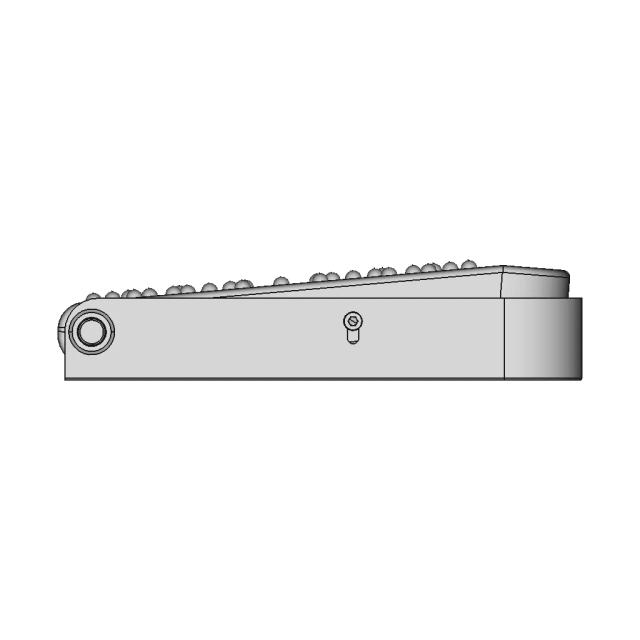
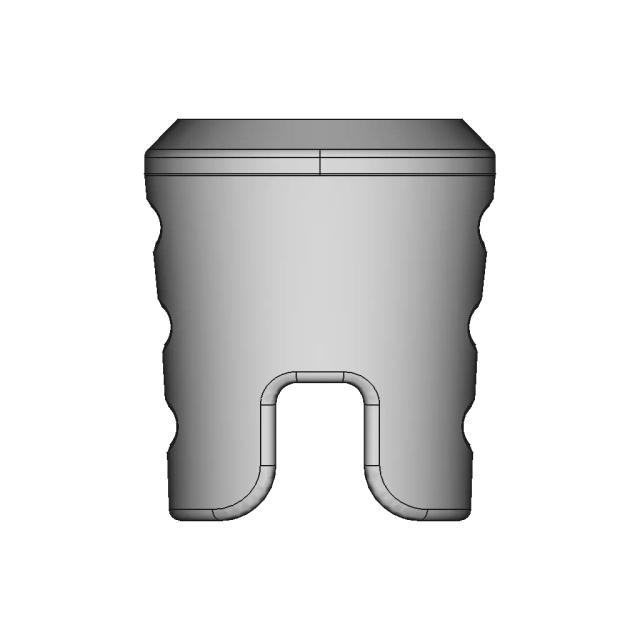
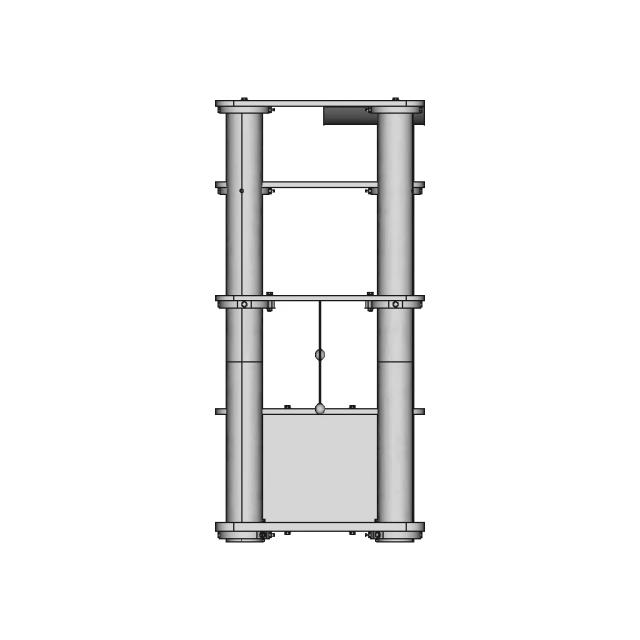
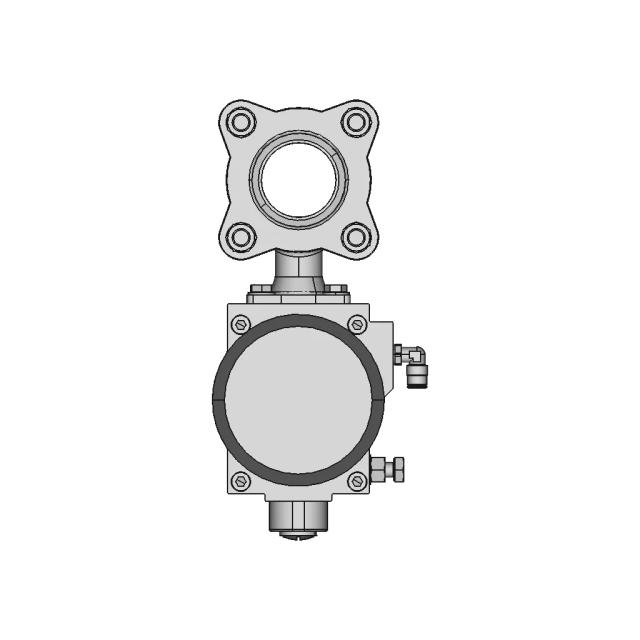
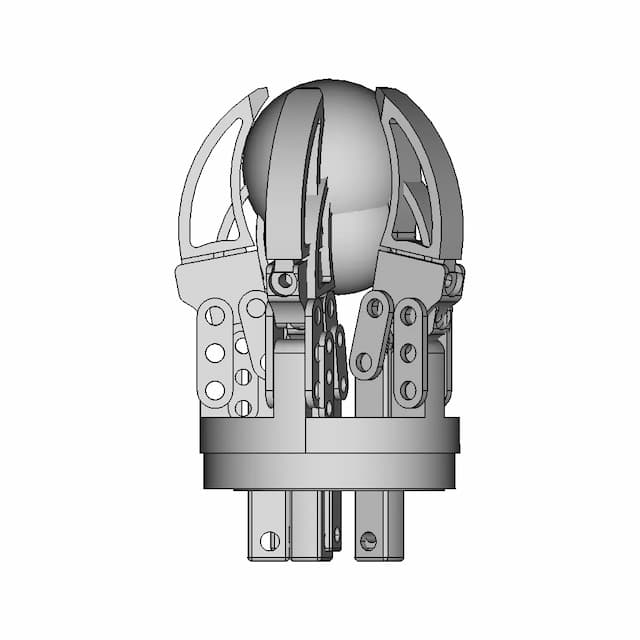
Assembly - Front View
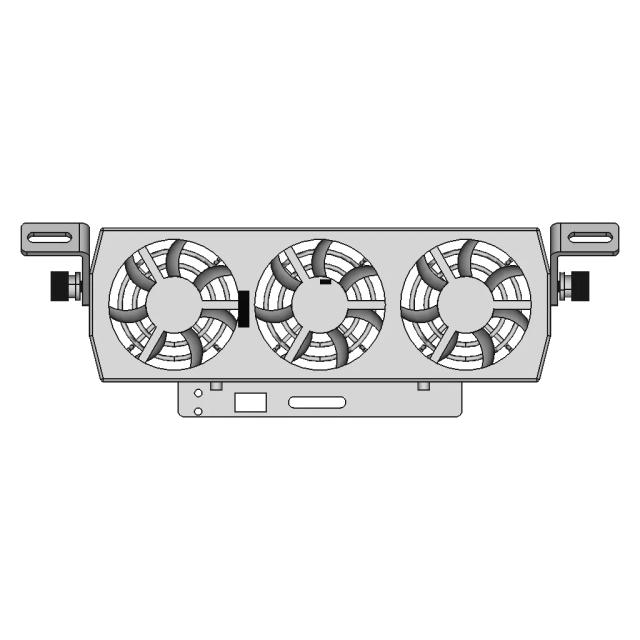
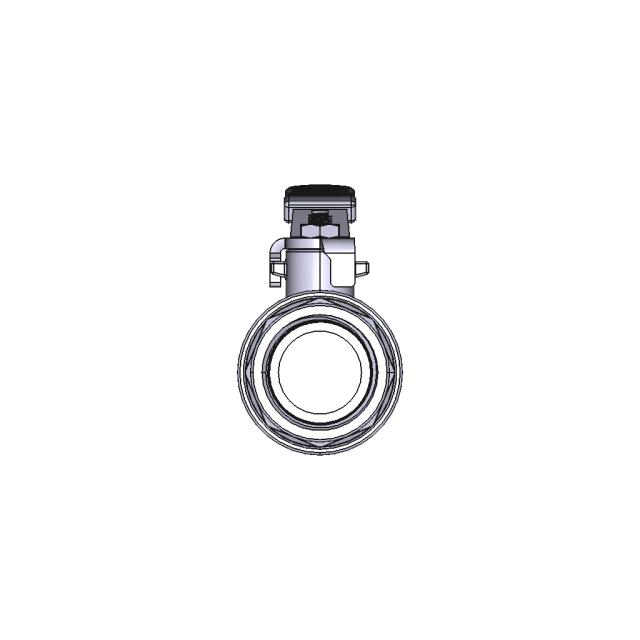
OrthographicShows the full height, shaft protrusion, and symmetrical mounting brackets with elongated holes—critical for alignment and mounting. The front view also reveals the ribbed cooling structure and base flange.
AI Drawing Analysis
The cards below explain how the generated drawing outputs and assets connect to the final technical sheets.
Shows the full height, shaft protrusion, and symmetrical mounting brackets with elongated holes—critical for alignment and mounting. The front view also reveals the ribbed cooling structure and base flange.
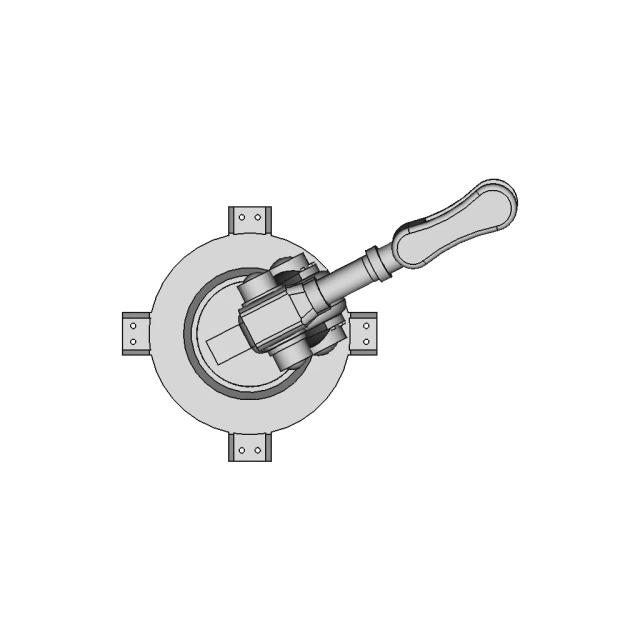
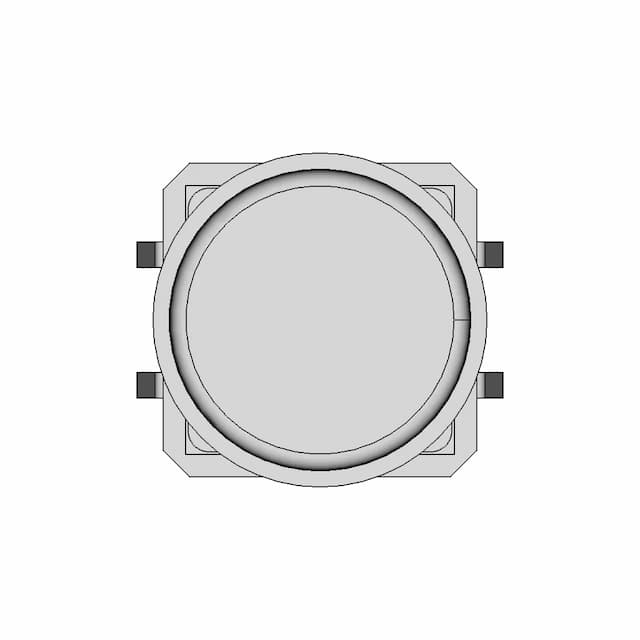
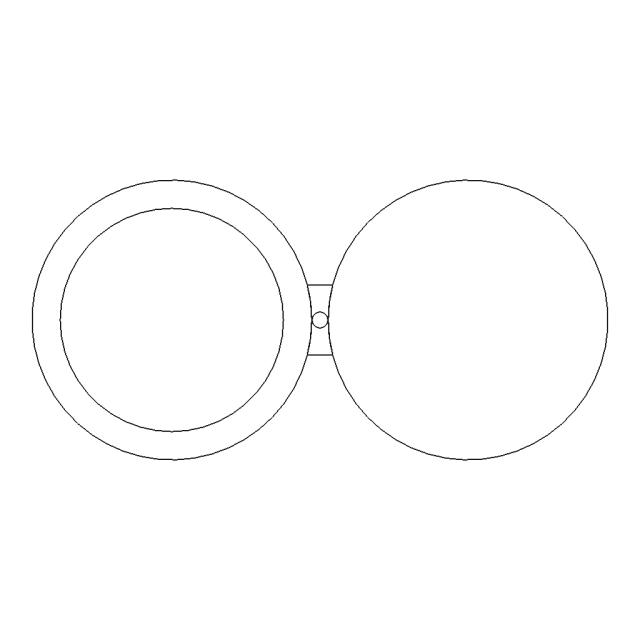
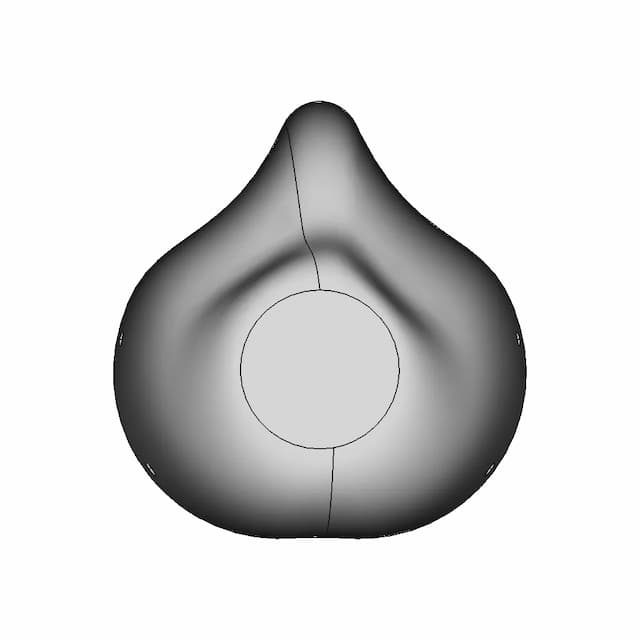
Reveals the circular flange with central bore and radial cooling fins, plus the position of the terminal box and its mounting. Essential for understanding the footprint and electrical interface layout.
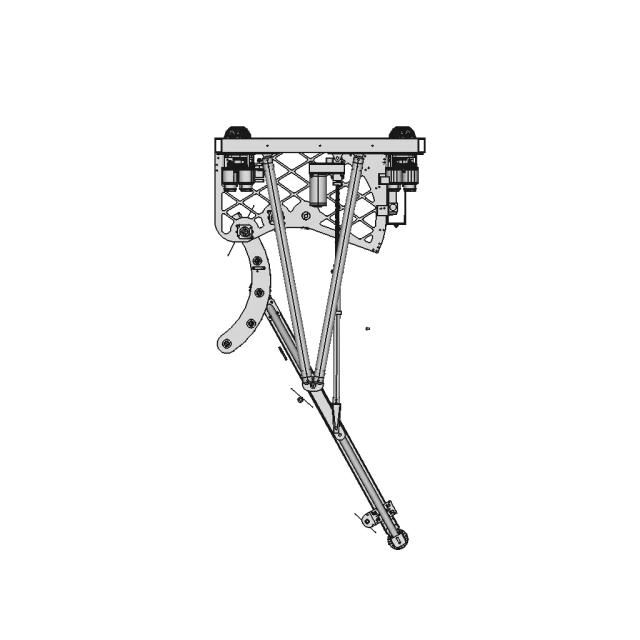
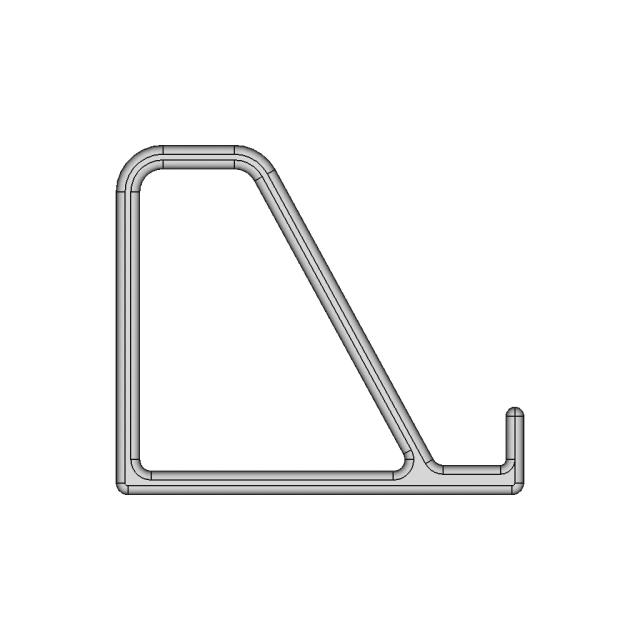
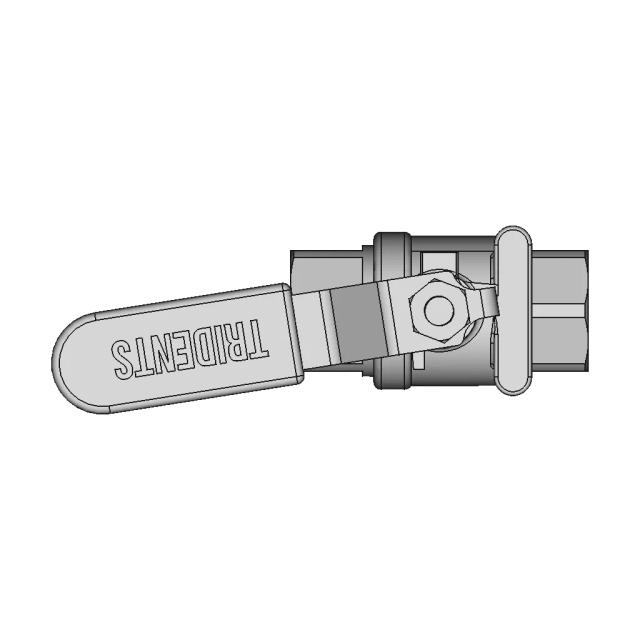
Shows the depth profile, side mounting bracket with bolt holes, and the shaft end cap. Since the right side has a different terminal box, the left view provides the complementary perspective for full spatial understanding.
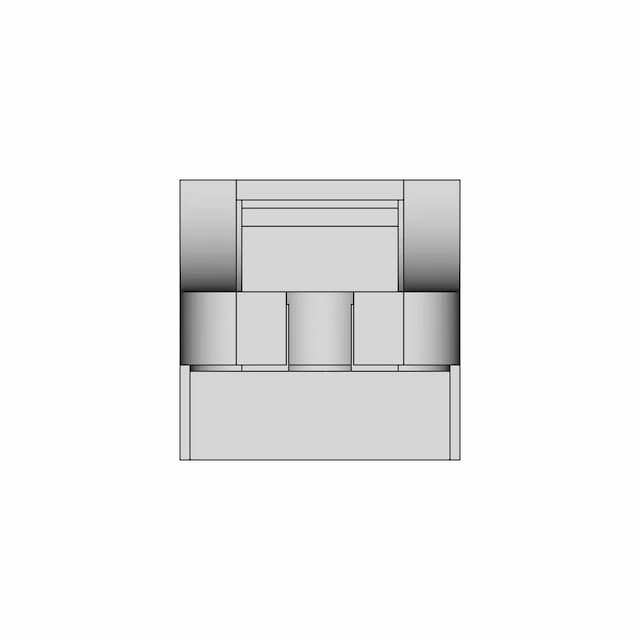
Reveals the internal bore diameter, shaft clearance, and wall thickness of the motor housing. The cut through the center exposes the rotor/stator interface region and confirms the concentricity of the inner bore relative to the outer casing.
Reveals the internal bore diameter, shaft clearance, and wall thickness of the motor housing. The cut through the center exposes the rotor/stator interface region and confirms the concentricity of the inner bore relative to the outer casing.
Magnifies the fillet radius at the base of the cooling fins where stress concentration may occur—critical for fatigue life and manufacturability.
Downloads
Each sheet available in PDF, SVG, and DXF. Click a format badge to download.
AI Transparency
These drawings were generated from the source 3D CAD geometry. The system analysed the model, selected relevant views, planned section cuts and generated drawing sheets in PDF, SVG and DXF formats.
These are 2D engineering drawings, not 3D files. Dimensions are extracted from the 3D geometry and should be verified against the source model before use in manufacturing.
Run Metadata
Explore Marathon OS
Jump to the source 3D model, generate your own drawings, or browse tools and libraries.
Open the original 3D CAD model used to generate this 2D drawing set. Review the source geometry before downloading or using the technical drawings.
Open 3D CAD model →Everything you need to design faster, smarter, and with more impact.
Everything you need to design faster, smarter, and with more impact.