
Starter
3credits
$7.99
$2.66 each
3 downloads of any size. Good for a one-off project.
Convert a BREP (.brep) CAD model into an STL (.stl) mesh for 3D printing, slicing and rapid prototyping. The converter tessellates the model's exact curves and surfaces into polygonal geometry that can be downloaded and inspected in your browser.
Choose one file to begin the conversion.
Drag and drop your file here
or choose a file from your computer
Browse filesMaximum file size: 300 MB
Files under 5 MB convert and download free. Larger files use one credit for one completed download, regardless of file size.
Pricing
Files under 5 MB convert and download free. Larger files use one credit for one completed download, regardless of file size. 1 credit downloads any file, any size, and credits never expire.
Starter
3credits
$7.99
$2.66 each
3 downloads of any size. Good for a one-off project.
Pro
5credits
$12.99
$2.60 each
5 downloads of any size. The everyday choice.
Team
10credits
$19.99
$2.00 each
10 downloads of any size. Best balance of price and volume.
Studio
15credits
$26.99
$1.80 each
15 downloads of any size. Lowest price per file.
Use the converter without installing desktop software to move from BREP to STL.
Translate faces, edges, vertices and solid topology into the triangular surface mesh used by STL.
Open the result in Cura, PrusaSlicer and 3D printers for review, editing or production.
Converted models are not added to the public CAD library and are removed after processing.
Continue your CAD workflow
Preview a model before conversion, find an existing engineering file, open a 2D drawing, or get specialist help when a source mesh needs to be rebuilt.
Simple conversion workflow
Move from BREP solid to STL mesh in three clear steps.
Drag and drop the .brep file into the converter or choose it from your device. Files up to 300 MB are supported.
This page is preconfigured for BREP-to-STL conversion, so you do not need to search through target formats.
Download the result and open it in your preferred compatible application to confirm its geometry and scale.
Format behaviour
BREP engineering geometry is tessellated into the polygonal surface structure used by STL. The visible shape is preserved, but parametric CAD intelligence is not.
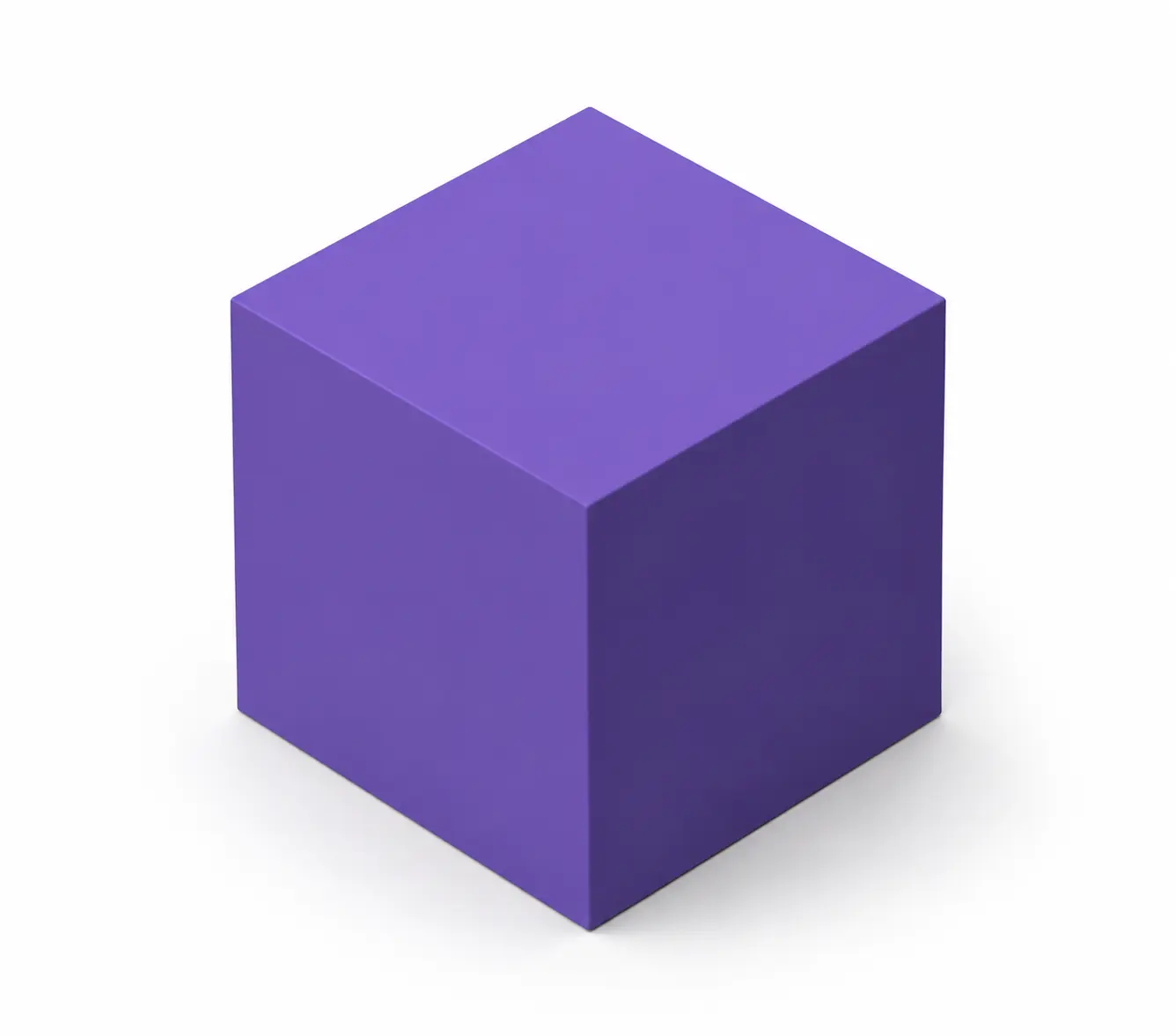 BREP solidBREP
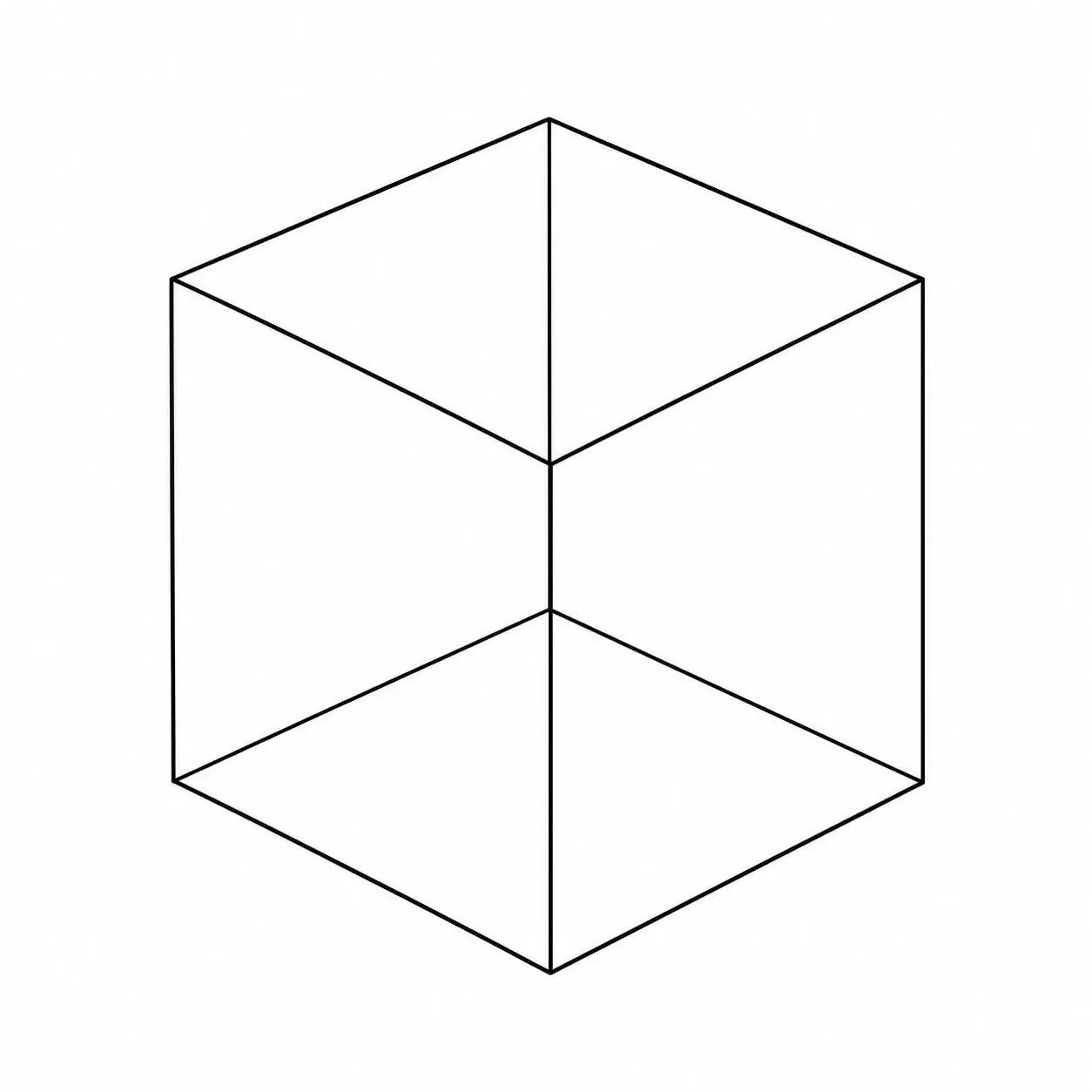 STL meshSTL
STL is a mesh output. Keep the source BREP file whenever editable engineering geometry may be needed later.
Format comparison
Choose the output according to what the next stage of your workflow needs.
| Feature | BREP BREP | STL STL |
|---|---|---|
| Main purpose | Solid modelling, topology and CAD kernel workflows | 3D printing, slicing and rapid prototyping |
| Geometry | Faces, edges, vertices and solid topology | Triangular surface mesh |
| Textures and UV mapping | Not normally included | Not supported in standard STL |
| Materials | Application dependent | Not supported in standard STL |
| Object groups | Body topology is retained where supported | Does not retain named object groups |
| Common workflow | OpenCascade and solid-modelling CAD systems | Cura, PrusaSlicer and 3D printers |
Your next application or supplier specifically requires a STL file.
3D printing, slicing and rapid prototyping is the next stage of the workflow.
The target geometry representation suits the downstream task.
Your project still depends on data unique to the source format.
You need to continue editing in OpenCascade and solid-modelling CAD systems.
The model is still being prepared rather than handed off.
Before continuing
Changing the file format does not automatically make a model production-ready. Review these checks in the application used for your next workflow.
A source model created in centimetres may be interpreted as millimetres by another application. Confirm the expected size in the slicer.
The surface should form a closed volume without open boundaries, gaps or holes that could create missing layers.
Flipped or inconsistent normals can make faces appear missing or inside out. Repair them before slicing.
Remove internal surfaces, overlapping faces and invalid edges that can stop the slicer from understanding the solid.
A thin surface may be visible on screen but still be below the printable limit of the selected nozzle or process.
Look for unexpected gaps, floating islands, missing sections and incorrect scale before starting the print.
Common problems
Most conversion issues come from differences between file formats or problems already present in the source geometry.
The source and destination tools may interpret units differently. Open the STL file and select the correct unit or scale.
Fix: Verify units and dimensionsThis can be expected when STL does not support the texture, UV or material information stored by BREP.
Fix: Keep the original BREP visual dataThe BREP source may contain open edges, invalid polygons, overlapping geometry or inverted normals that remain visible after conversion.
Fix: Inspect and repair the source geometryHigh polygon counts and complex geometry need more processing. Confirm the file is below 300 MB and opens correctly in a viewer.
Fix: Simplify unnecessary geometry detailSecure processing
Product models can contain confidential engineering information. Privacy and file handling stay explicit beside the tool.
Files are transferred through a secure connection.
Uploaded and converted files are deleted after 7 days.
Conversion does not transfer ownership of your model.
Your uploaded files are not added to the Marathon CAD library.
Popular conversions
Move into another common engineering workflow using one of Marathon OS's most-used conversion paths.
Convert STEP to STL for 3D printing and slicing.
Convert STEP to Rhino 3DM for Rhino workflows.
Convert IGES to STEP for manufacturing handoff.
Convert OBJ to STL for mesh workflows and 3D printing.
Convert STL to STEP for CAD compatibility and import.
Convert Rhino 3DM to STEP for CAD/CAM exchange.
Convert BREP to STL for mesh export and 3D printing.
Convert DWG to DXF for 2D CAD exchange.
Convert DXF to DWG for 2D CAD exchange.
Marathon OS Design Hub
Browse engineering categories and recent 3D-printing models. Preview and validate every downloaded file before production use.

Frequently asked questions
Quick answers about formats, pricing, file limits, conversion quality and privacy.
Upload your BREP file (.brp or .brep) to Marathon OS, choose STL as the output format, and download the converted file in seconds — no software installation required.
Converting BREP to STL helps you move CAD data between tools, suppliers, and workflows without installing desktop software. Marathon OS handles the conversion in the cloud so you can download a STL file in seconds.
This converter accepts .brp or .brep input files and outputs .stl. Upload up to 300 MB per file.
Files under 5 MB are free to convert and download on Marathon OS. Larger files may require a small fee per conversion.
Your files are encrypted during upload, processed securely in the cloud, and automatically deleted after 7 days.
No — upload your BREP file and download STL directly in your browser. No plugins or desktop CAD tools required.
Yes — Marathon OS is optimized for large and complex CAD models. You can upload files up to 300 MB for BREP to STL conversion.