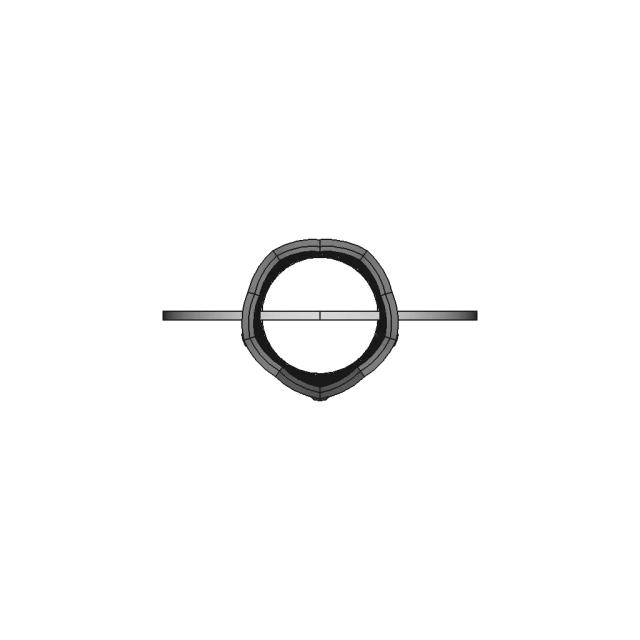
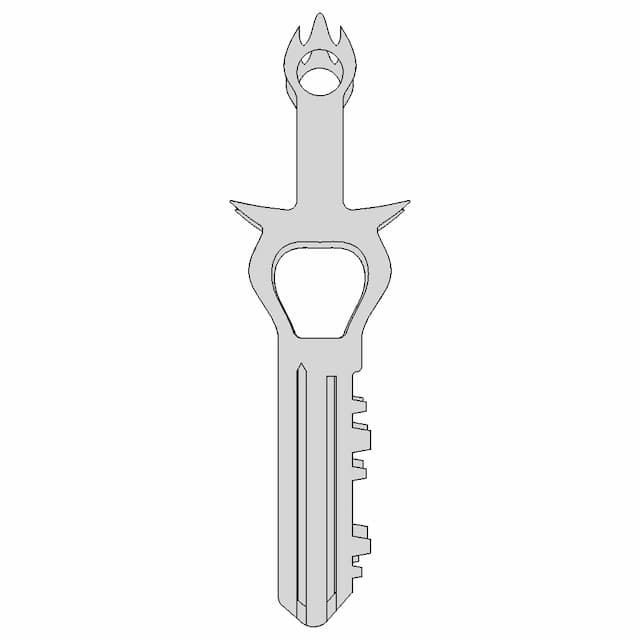
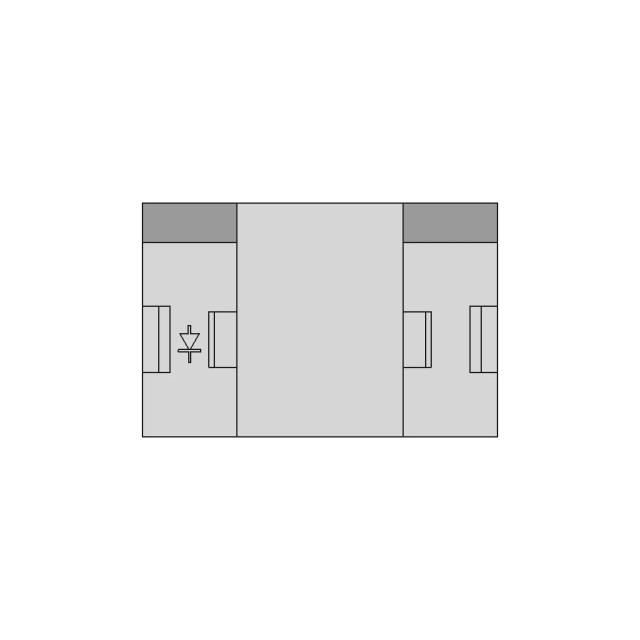
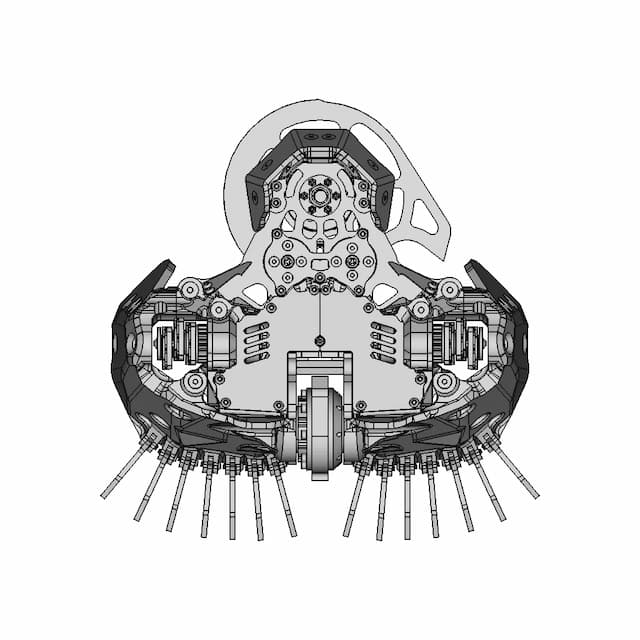
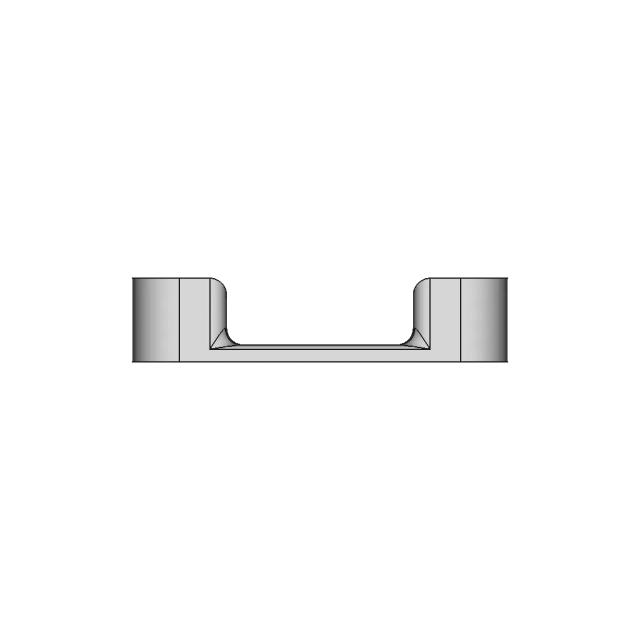
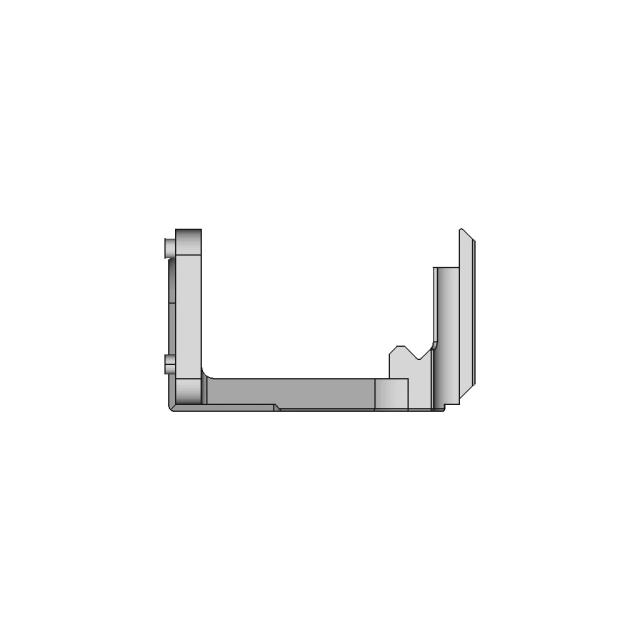
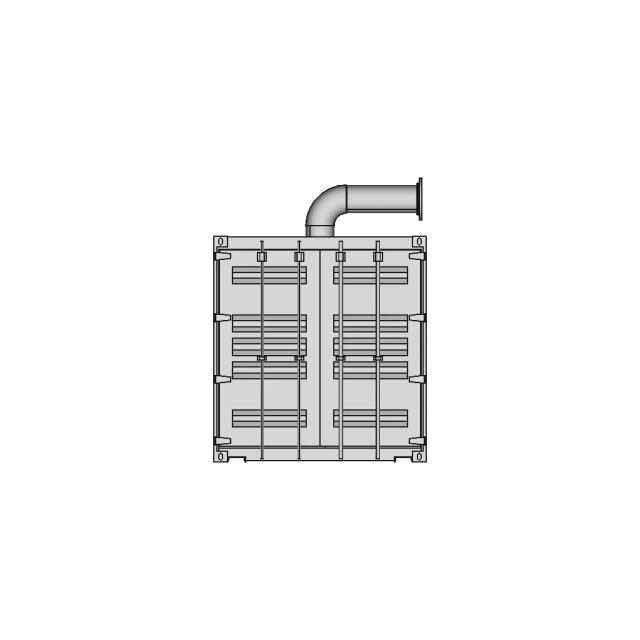
Assembly - Front View
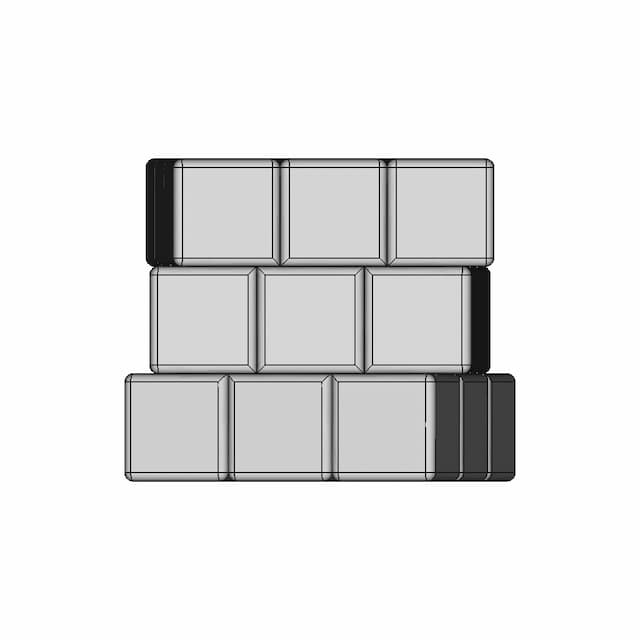
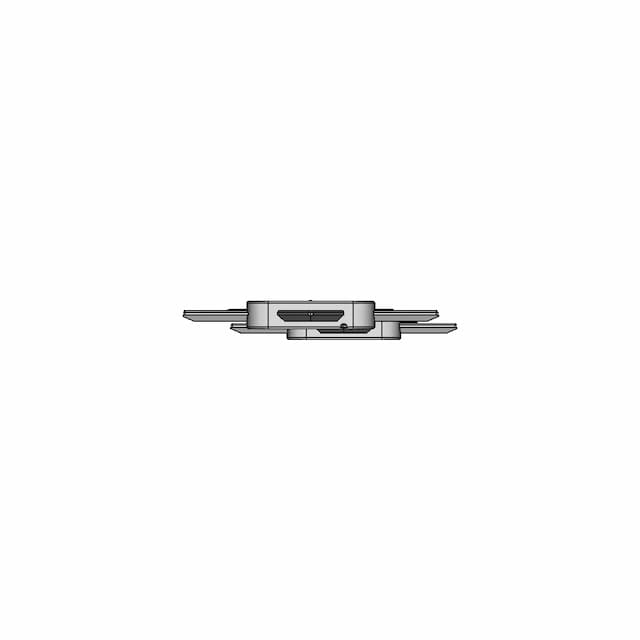
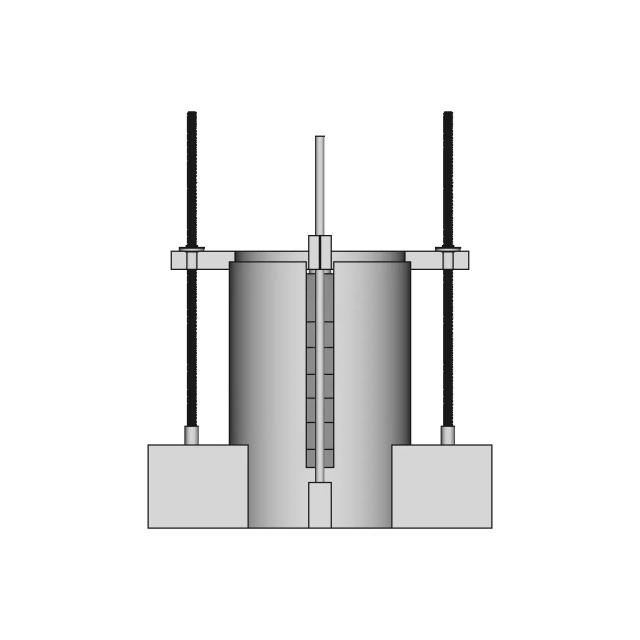
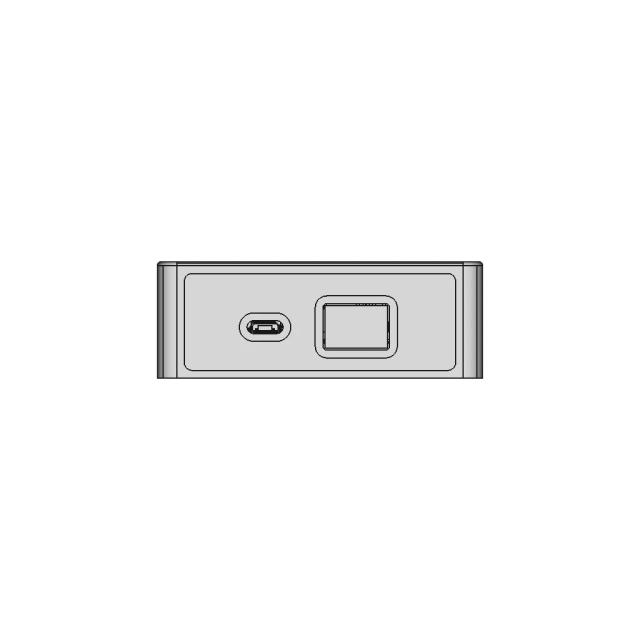
OrthographicThe Front view clearly shows the overall L-shaped structure and the vertical alignment of the main components, providing the primary profile of the system.
AI Drawing Analysis
The cards below explain how the generated drawing outputs and assets connect to the final technical sheets.
The Front view clearly shows the overall L-shaped structure and the vertical alignment of the main components, providing the primary profile of the system.
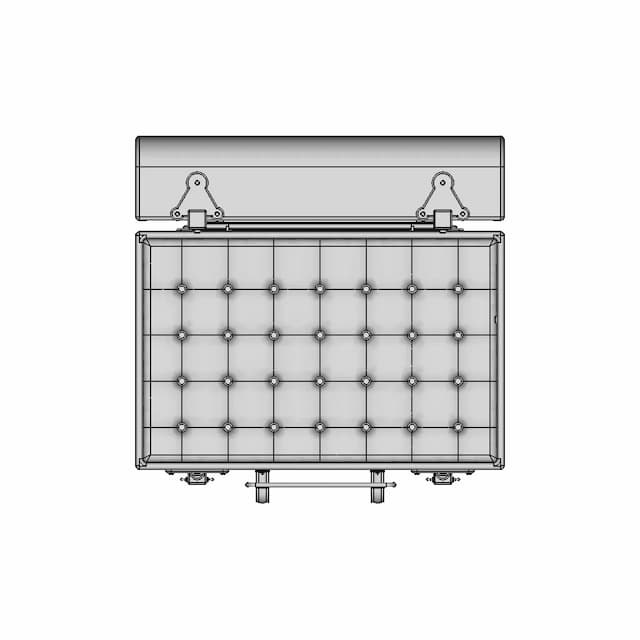
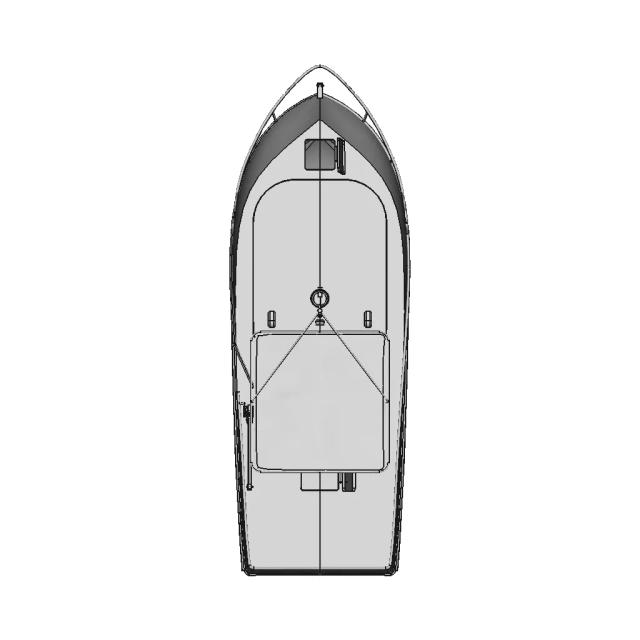
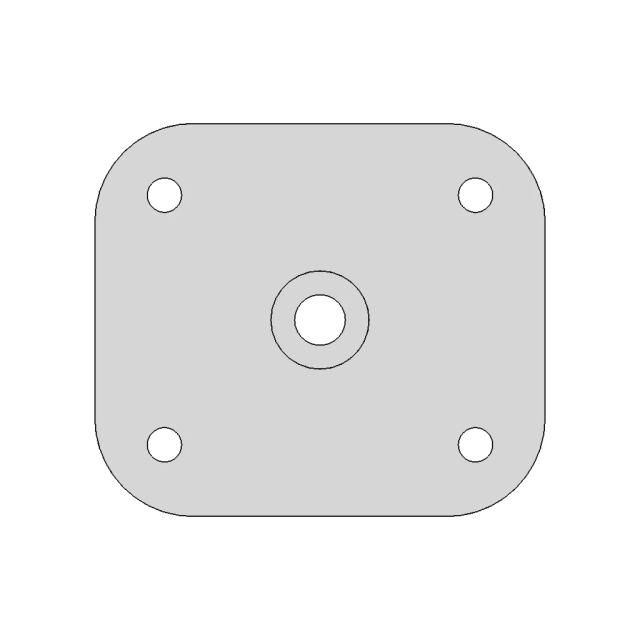
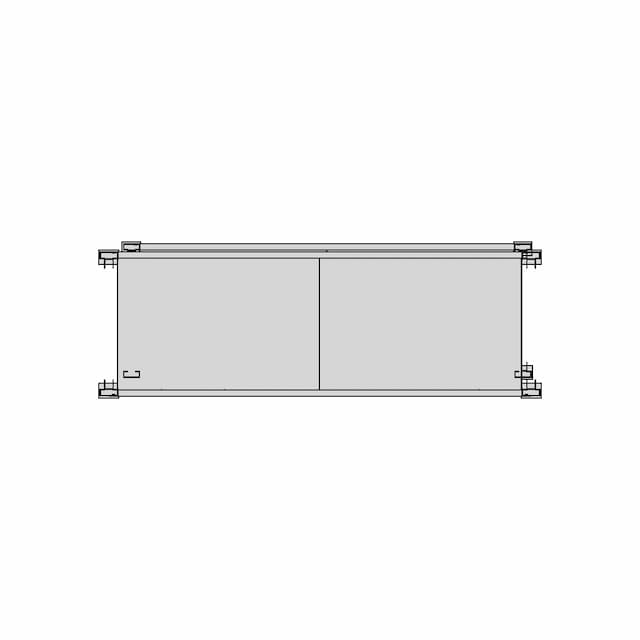
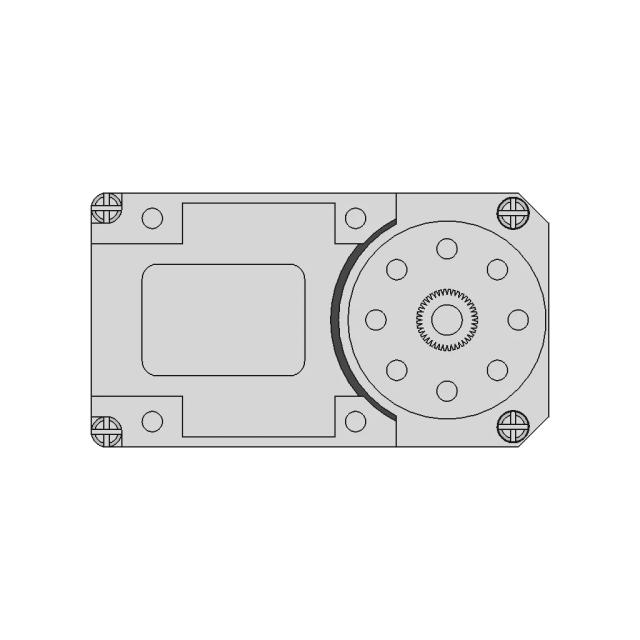
The Top view reveals the horizontal layout of the components, including the sequence of the shredder, washer, and collector, which is critical for understanding the material flow path.
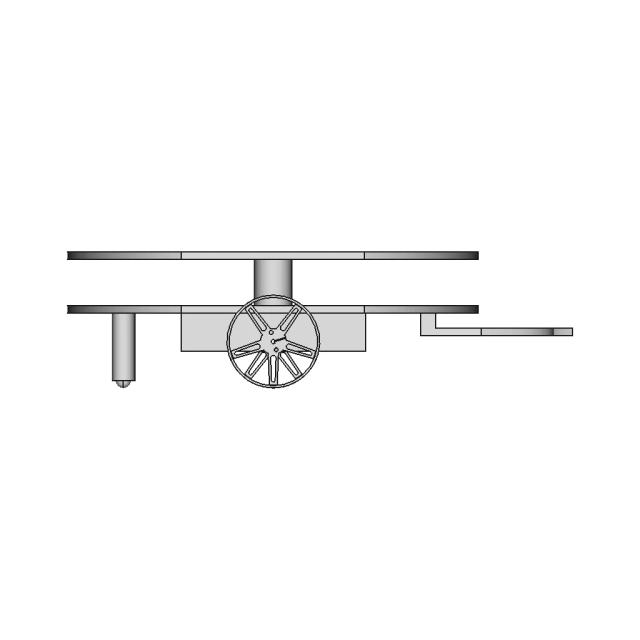
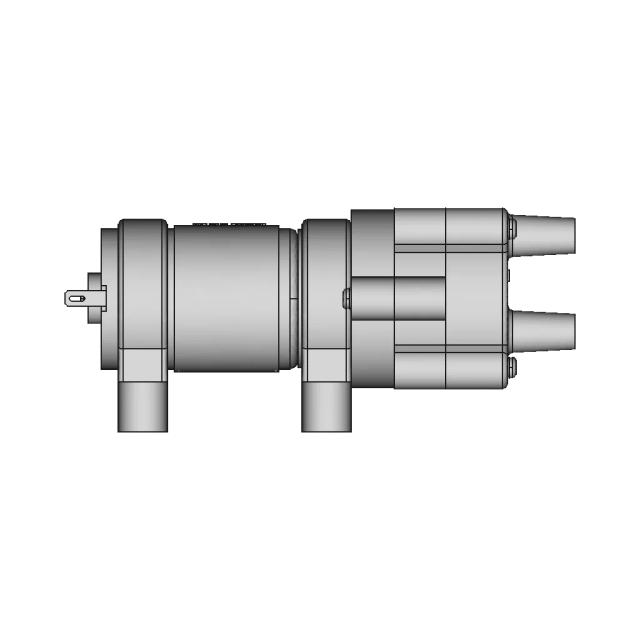
The Left view provides a side profile that shows the height and depth of the components, particularly the vertical stacking of the masher and washer units.
This vertical section through the centroid reveals the internal structure of the washer and masher units, including the internal baffles and water channels.
This horizontal section at the mid-height shows the internal arrangement of the shredder's rotating shafts and the feed hopper's internal geometry.
This vertical section through the centroid reveals the internal structure of the washer and masher units, including the internal baffles and water channels.
This horizontal section at the mid-height shows the internal arrangement of the shredder's rotating shafts and the feed hopper's internal geometry.
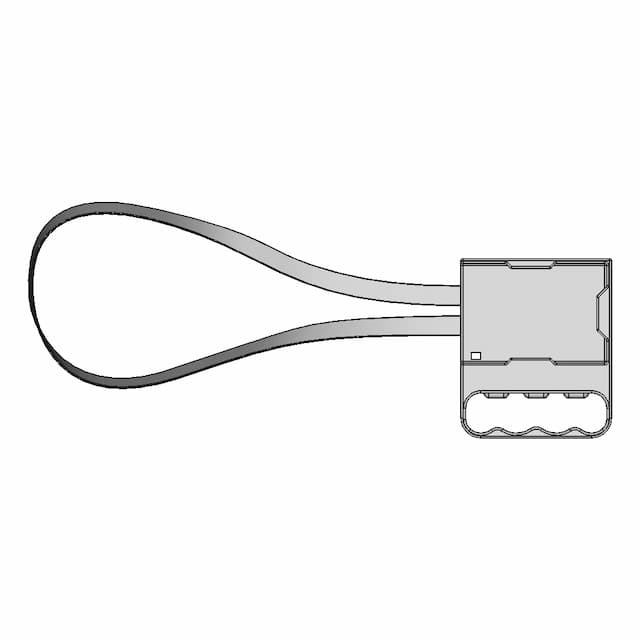
This detail magnifies the connection point of the conveyor belt to the collector, showing the gear and pulley assembly for precise manufacturing.
This detail focuses on the inlet hopper of the shredder, highlighting the angle of the feed chute and the mounting flange.
Downloads
Each sheet available in PDF, SVG, and DXF. Click a format badge to download.
AI Transparency
These drawings were generated from the source 3D CAD geometry. The system analysed the model, selected relevant views, planned section cuts and generated drawing sheets in PDF, SVG and DXF formats.
These are 2D engineering drawings, not 3D files. Dimensions are extracted from the 3D geometry and should be verified against the source model before use in manufacturing.
Run Metadata
Explore Marathon OS
Jump to the source 3D model, generate your own drawings, or browse tools and libraries.
Open the original 3D CAD model used to generate this 2D drawing set. Review the source geometry before downloading or using the technical drawings.
Open 3D CAD model →Everything you need to design faster, smarter, and with more impact.
Everything you need to design faster, smarter, and with more impact.