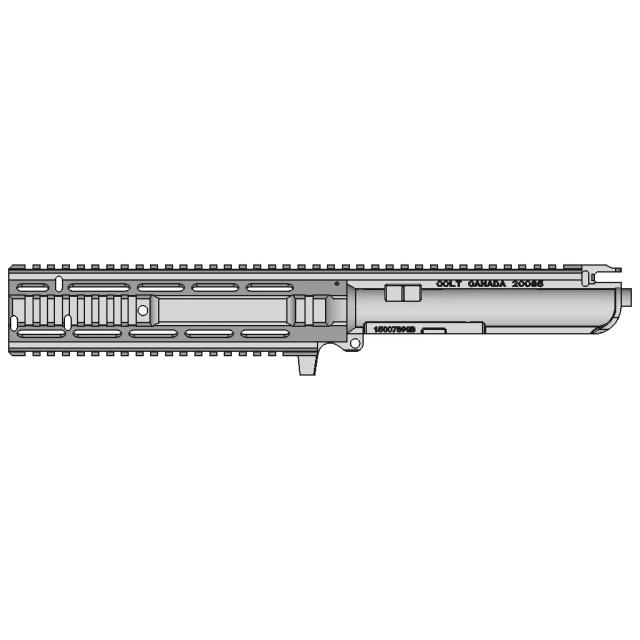
Sheet 1
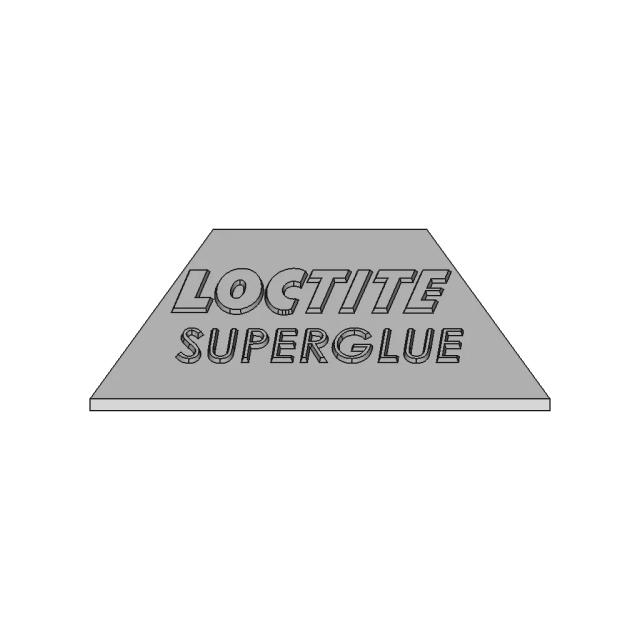
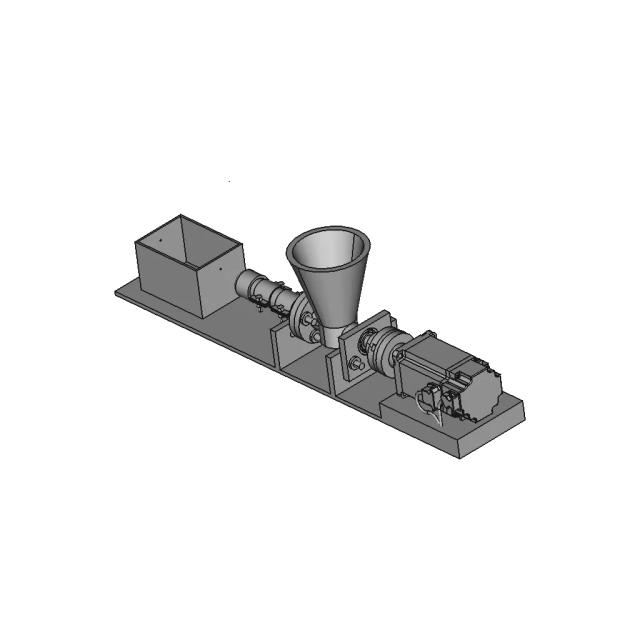
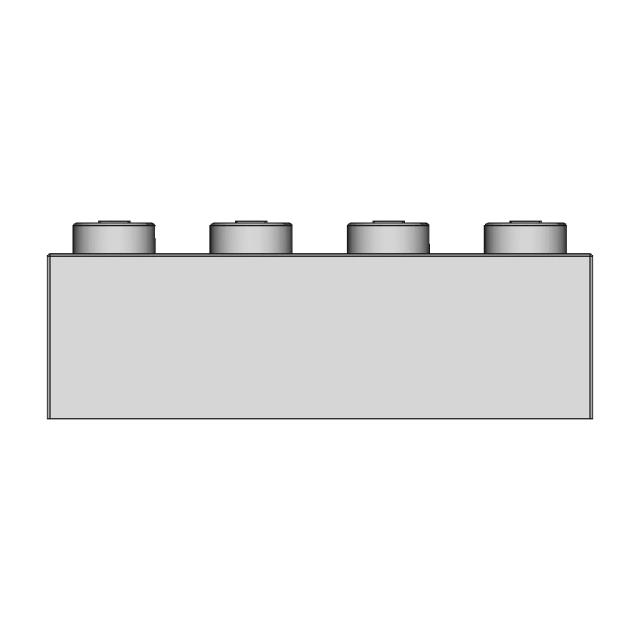
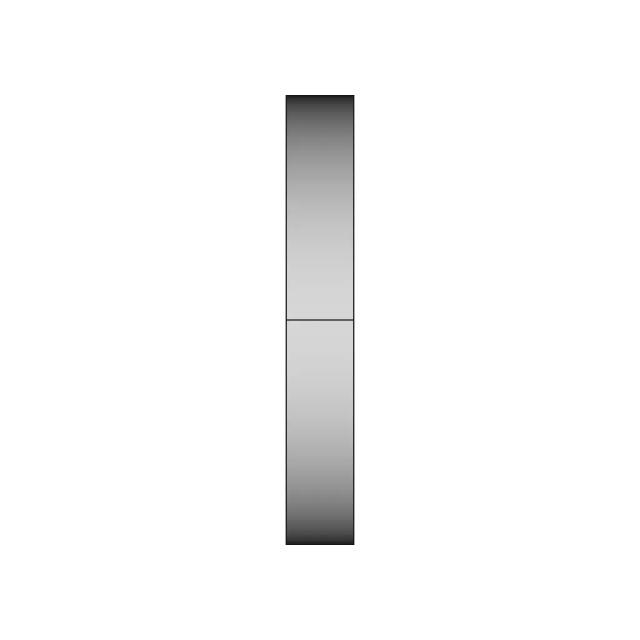
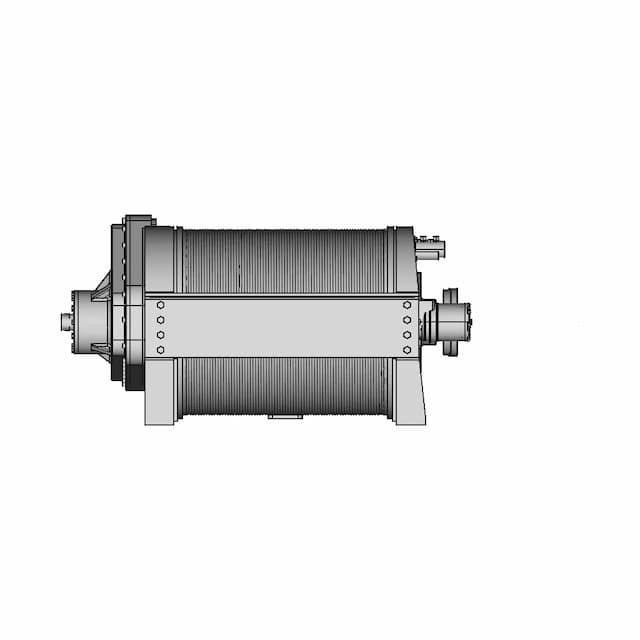
OrthographicThis sheet includes 17 geometry edges from the CAD projection pipeline.
AI Drawing Analysis
The cards below explain how the generated drawing outputs and assets connect to the final technical sheets.
This sheet includes 17 geometry edges from the CAD projection pipeline.
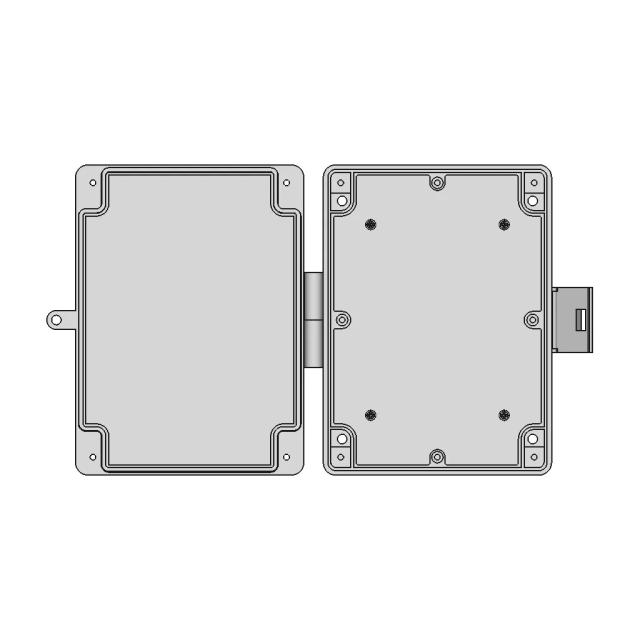
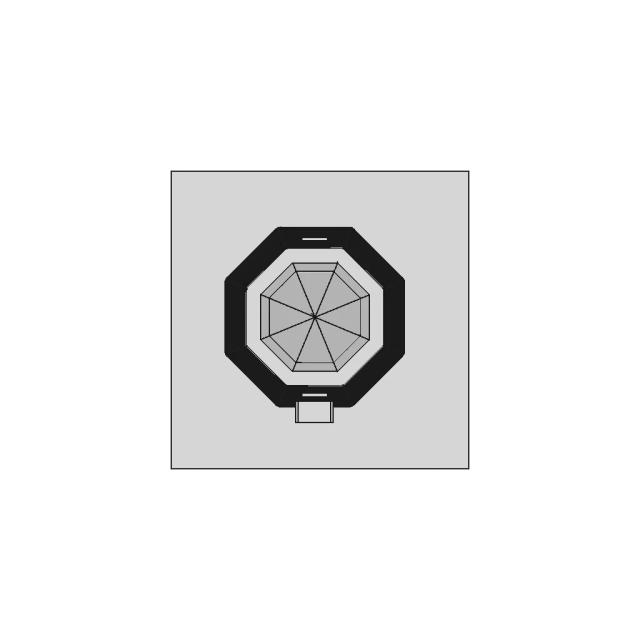
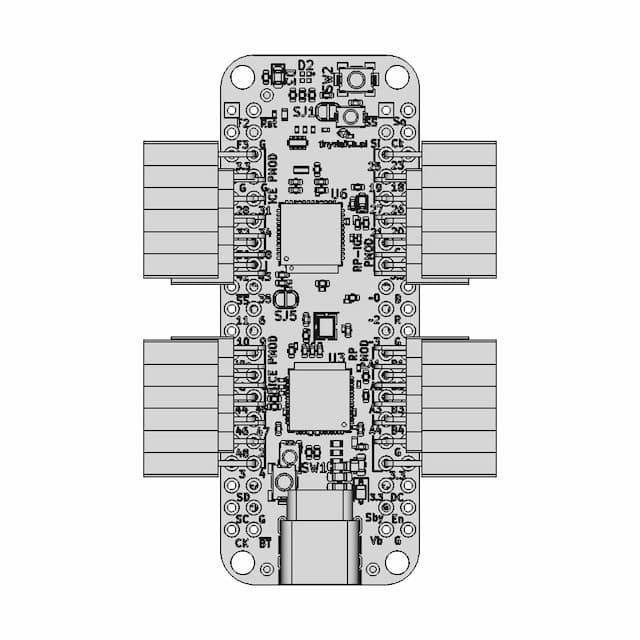
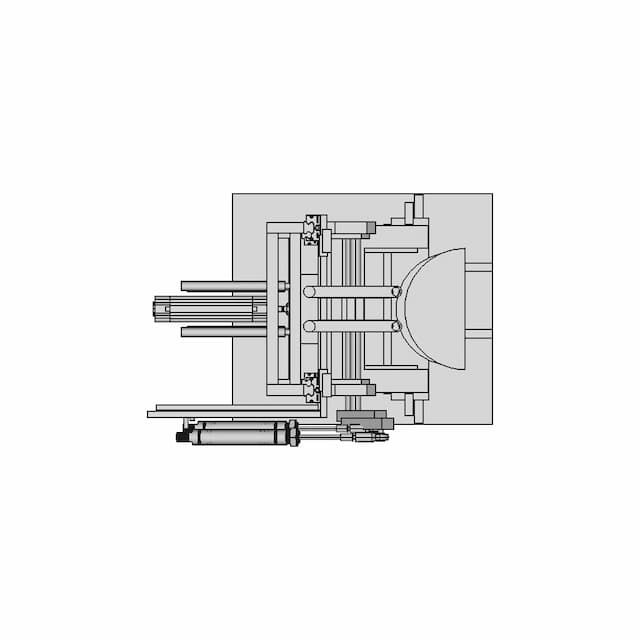
This sheet includes 19 geometry edges from the CAD projection pipeline.
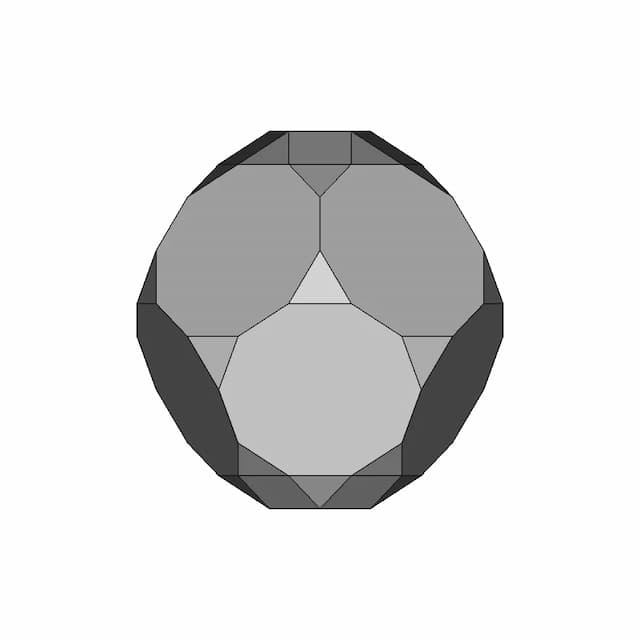
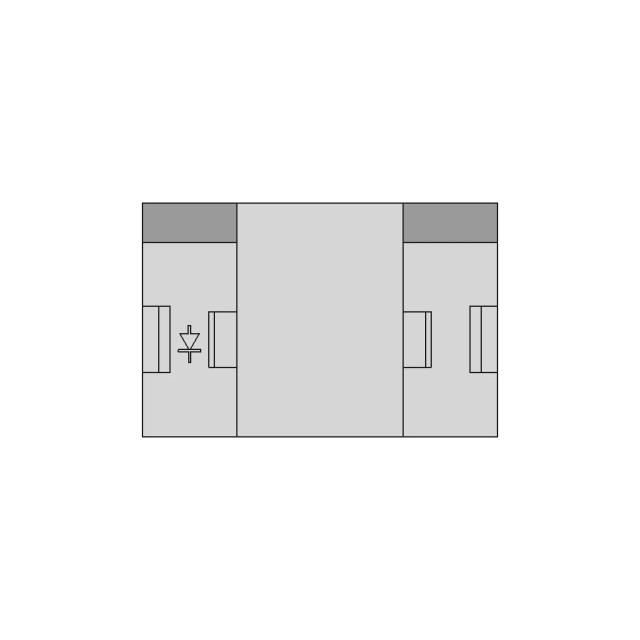
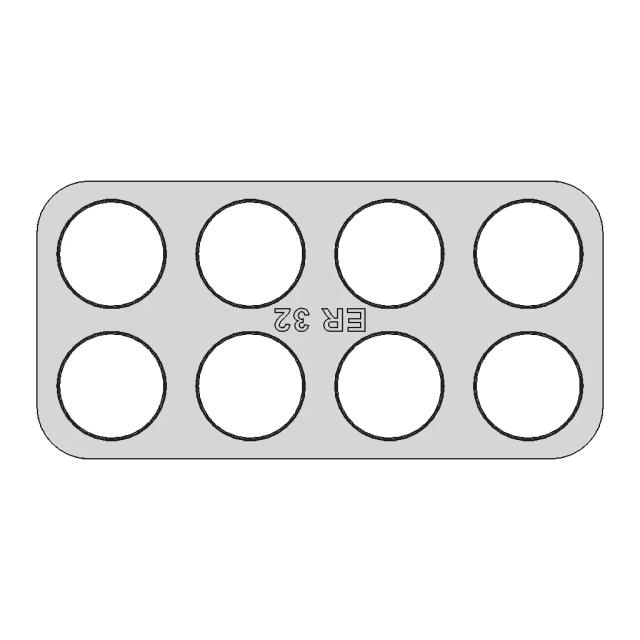
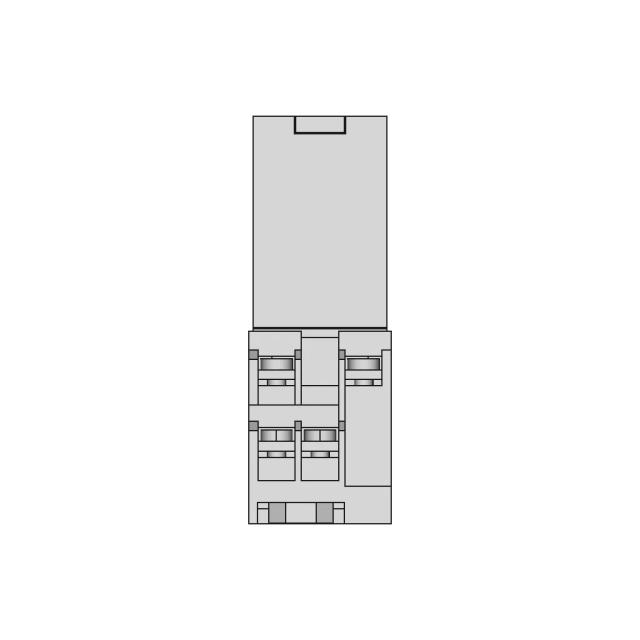
This sheet includes 16 geometry edges from the CAD projection pipeline.
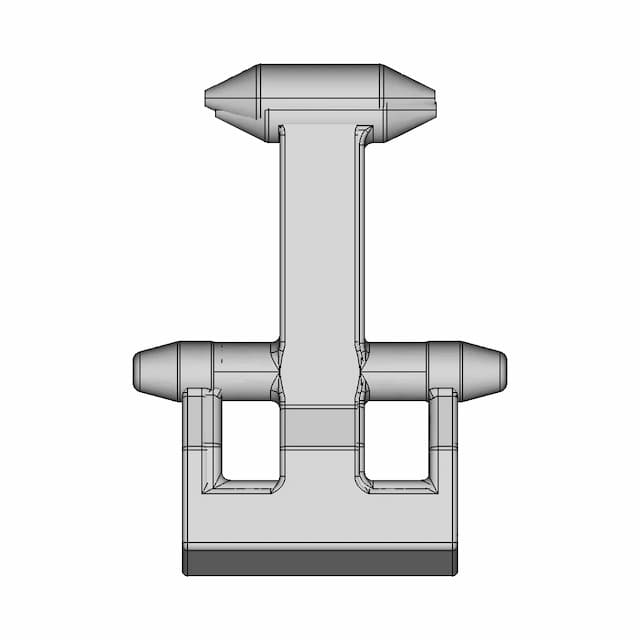
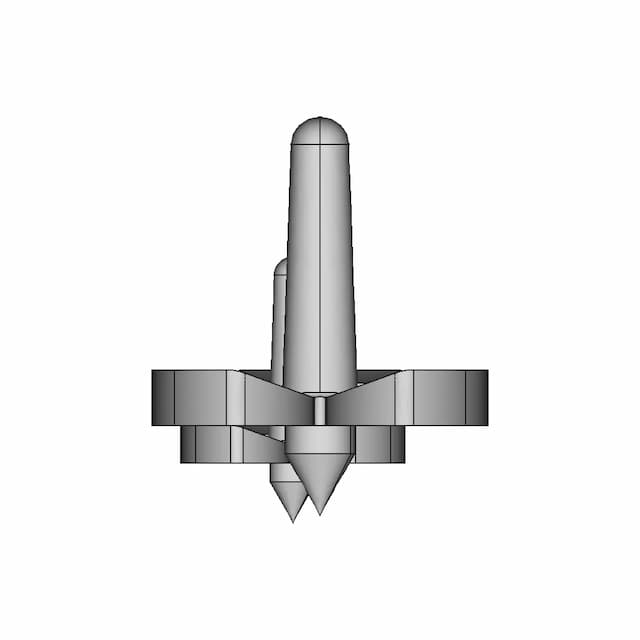
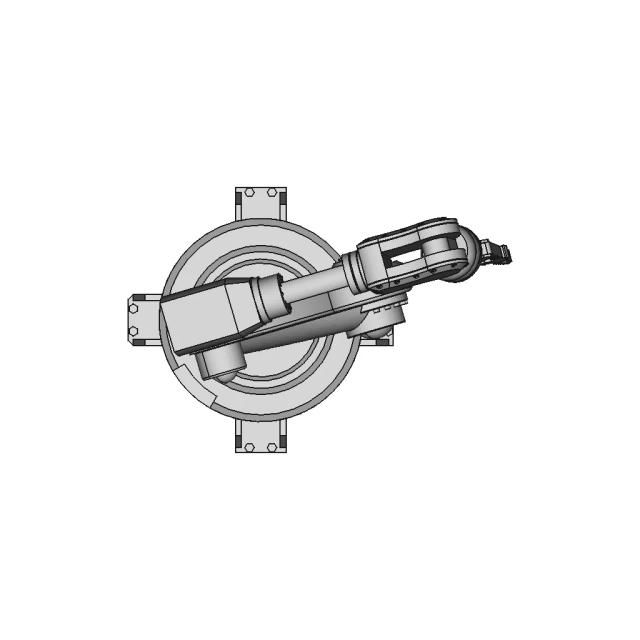
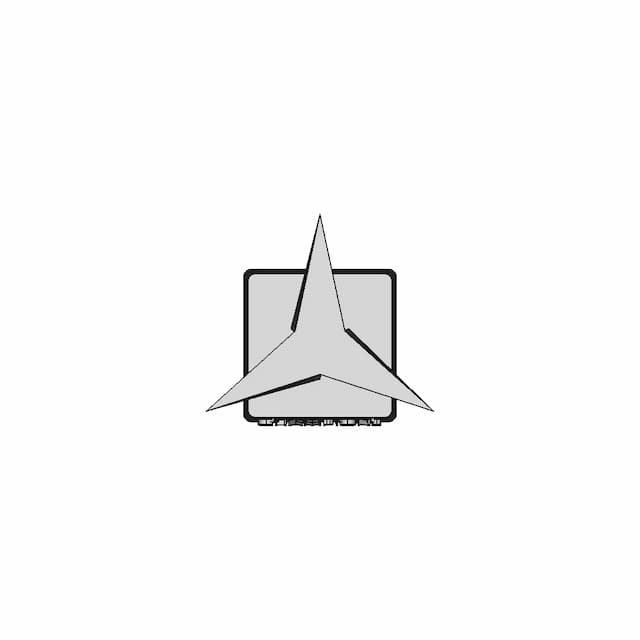
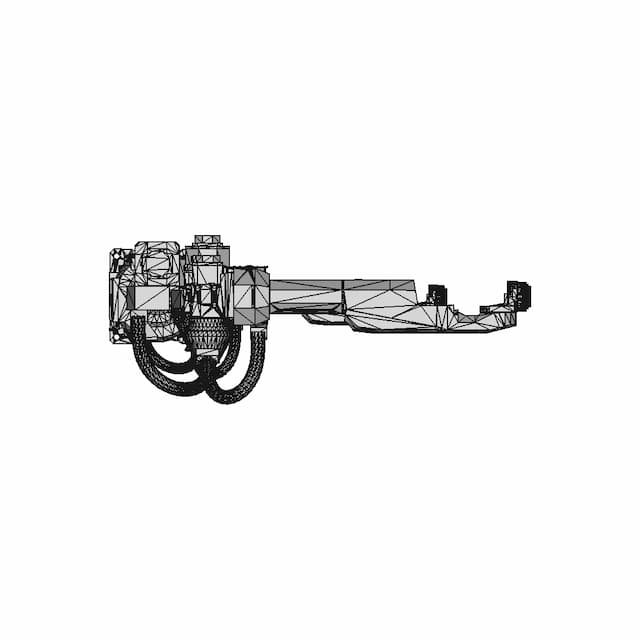
This sheet includes 54 geometry edges from the CAD projection pipeline.
Sheet 5. Geometry is derived from the 3D model projection for this drawing set.
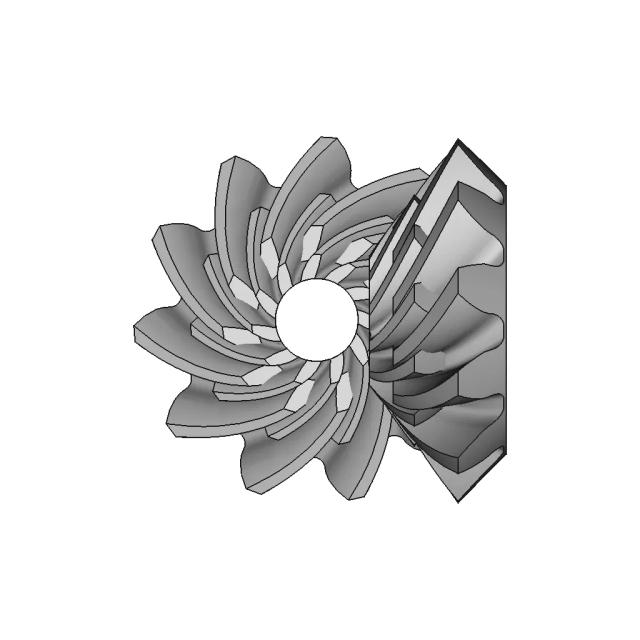
Magnifies the internal bore pattern and concentric ring details for clarity.
Downloads
Each sheet available in PDF, SVG, and DXF. Click a format badge to download.
Drawing report
Cover summary and review report for this versioned drawing set.
RCB Logo 3D Model
| Sheet | View | Scale | Content |
|---|---|---|---|
| 1 | Assembly - Front View | 5.0 | standard_view |
| 2 | Assembly - Top View | 10.0 | standard_view |
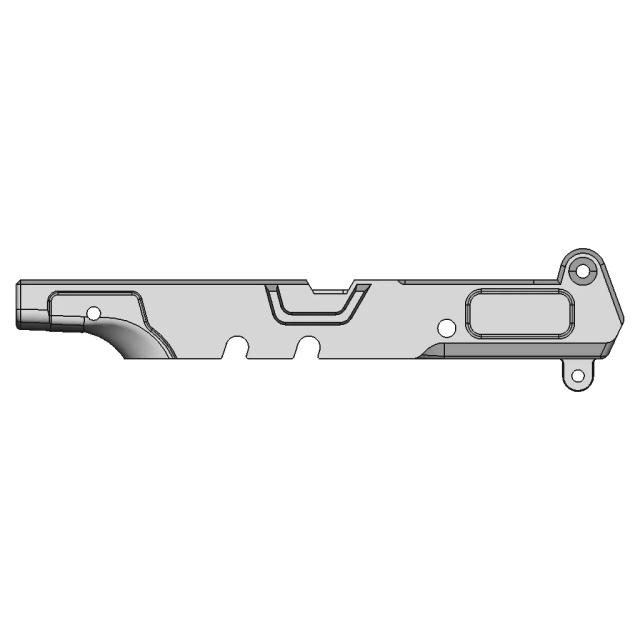
| 3 | Assembly - Left View | 5.0 | standard_view |
| 4 | Assembly - Isometric View | 5.0 | standard_view |
| 5 | Section A-A | 5.0 | section_view |
| 6 | Detail B | 2.0 | detail_view |
Generated automatically and intended for review before use. A companion review report lists what needs checking.
This drawing is generated automatically and is a first draft. The items below need a human decision.
| Characteristic | Tol | Datums | Confidence | Reason |
|---|---|---|---|---|
| profile_of_a_surface | 0.1 | A | C | low | 20 face(s) have no analytic form — profile is the only control that applies to a sculpted surface |
| Sheet | Type | Value | Description | Reason |
|---|---|---|---|---|
| 2 | Diameter | 23.0 | Ø23.0mm | overlaps prior label (tried 10 position(s)) |
| Characteristic | Tol | Zone | Datums | Confidence |
|---|---|---|---|---|
| flatness | 0.05 | high | ||
| cylindricity | 0.2 | high | ||
| total_runout | 0.2 | B | high | |
| profile_of_a_surface | 0.1 | A | C | low |
All 11 dimension(s) drawn.
| # | Sheet | Type | Value | Description |
|---|---|---|---|---|
| 1 | 1 | DistanceX | 32.0 | overall width 32.0mm |
| 2 | 1 | DistanceY | 60.0 | overall height 60.0mm |
| 3 | 2 | DistanceX | 32.0 | overall width 32.0mm |
| 4 | 2 | Diameter | 21.0 | Ø21.0mm |
| 5 | 2 | Radius | 16.0 | 2x R16.0mm |
| 6 | 2 | DistanceX | 31.4 | width 31.4mm at y≈4.0mm [unverified span] |
| 7 | 2 | DistanceY | 30.0 | height 30.0mm at x≈-16.0mm [unverified span] |
| 8 | 3 | DistanceX | 46.0 | overall width 46.0mm |
| 9 | 3 | DistanceY | 60.0 | overall height 60.0mm |
| 10 | 5 | DistanceX | 46.0 | overall width 46.0mm |
| 11 | 5 | DistanceY | 60.0 | overall height 60.0mm |
AI Transparency
These drawings were generated from the source 3D CAD geometry. The system analysed the model, selected relevant views, planned section cuts and generated drawing sheets in PDF, SVG and DXF formats.
These are 2D engineering drawings, not 3D files. Dimensions are extracted from the 3D geometry and should be verified against the source model before use in manufacturing.
Run Metadata
Explore Marathon OS
Jump to the source 3D model, generate your own drawings, or browse tools and libraries.
Open the original 3D CAD model used to generate this 2D drawing set. Review the source geometry before downloading or using the technical drawings.
Open 3D CAD model →Everything you need to design faster, smarter, and with more impact.

Everything you need to design faster, smarter, and with more impact.